The best crypto trading terminals in 2026 give you one place to research an asset, watch live data, and place a trade without bouncing between apps. That is the real appeal. A good crypto trading terminal tightens workflow, cuts delay, and gives a trader in finance a sharper view of onchain action.
Most people hit friction fast. They check a chart in one tab, open a wallet in another, then jump to a DEX or a cryptocurrency exchange to execute. By the time the setup looks clean, the move can already be underway.
This breakdown looks at the strongest options right now, how each platform actually works, and which one fits different styles of crypto trading.
How a Crypto Terminal Works
A crypto trading terminal is a trading interface that keeps research and execution in the same place. You can watch market data, check wallet activity, and place a trade from one screen instead of stitching together separate apps.
That matters because the main edge is workflow. Faster context and fewer clicks help a trader react with less delay, which is useful when decentralized finance markets move quickly.
Some products add alerts, copying tools, or light automation. Others stay lean and focus on fast order entry.
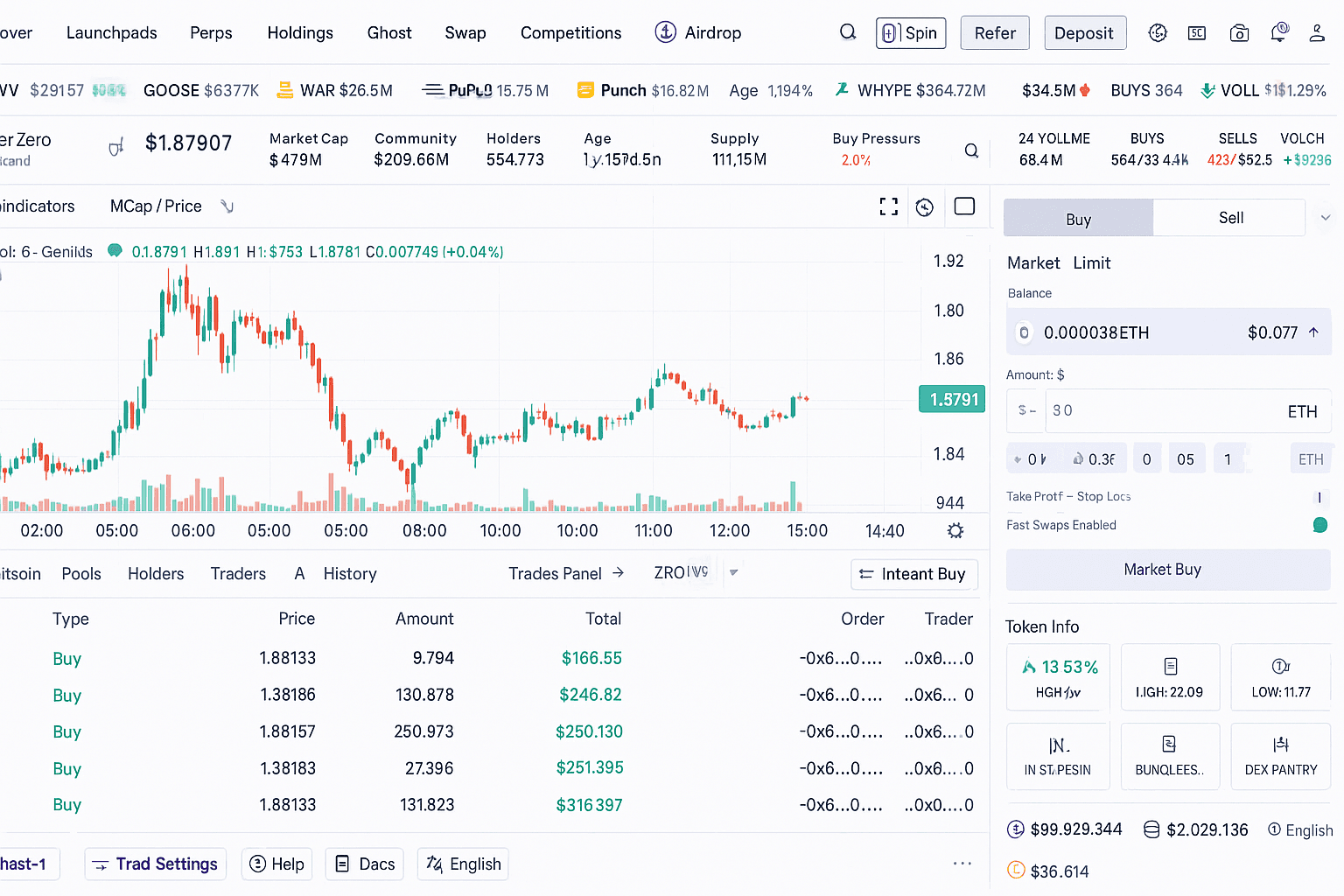
Under the hood, execution still happens through a DEX or an aggregator. The terminal is the layer that improves visibility, analytics, and control around that process.
Most of these tools are non-custodial and skip KYC. You connect a wallet, keep control of the funds, and use the terminal as an advanced front end for blockchain activity.
DEX vs Aggregator vs Terminal
These tools sit on different layers of the same stack.
DEX
A DEX is where the trade actually executes onchain. Liquidity sits there, and the swap engine does the basic job. Uniswap and Raydium are good examples.
DEX Aggregator
An aggregator checks multiple liquidity sources and picks a better route through an API-driven process. The goal is usually better pricing and lower slippage. Jupiter and 1inch fit here.
Trading Terminal
A terminal sits above both and packages research with execution. It is closer to a professional interface used in the foreign exchange market or stock trading software, except built for DeFi and onchain data.
- DEXs - the venue where orders fill
- Aggregators - route across venues for improved execution
Terminals then pull this together into one workspace, often with wallet intelligence and strategy tools layered on top.
Why Traders Use Them
Spotting a good setup usually involves more than a quick glance. You want chart context, wallet behavior, and current liquidity. Then you need to execute before the market shifts.
Without a terminal, that flow gets fragmented. Research sits in one tool and execution in another. Position tracking drifts somewhere else. That separation introduces delay and small mistakes.
Crypto terminals reduce that friction. Discovery and order placement stay close together, which is especially useful in decentralized finance where data is scattered across chains and apps.
Best Crypto Trading Terminals Comparison
Here is the short version. Genius is the broadest product in this group, with 11 plus supported chains and lower fees that can fall with volume. leans into wallet intelligence and copy flows. Axiom focuses hard on Solana execution speed and pro-style controls.
Photon is more stripped down and manual, which some users will actually prefer during fast sessions. Terminal, previously called Padre, feels most tailored to activity and related flow.
On account setup, the spread is wide. Some terminals support wallet-only access, while others allow email, Telegram, Google, or Apple login. That changes the first-use experience more than most feature pages admit.
| Terminal | Supported Chains | Fee Structure | Best For | Account Setup Options |
|---|---|---|---|---|
| Genius | 11 plus | Starts at 0.3% | Multi-chain trading | Wallet, Google, or Apple |
| 6 plus | 1% | Wallet tracking and copy flows | Web terminal with Telegram tooling | |
| Axiom | Solana-focused | Not stated here | Fast Solana execution | Wallet or email |
| Photon | Not stated here | 1% | Manual trading | Not stated here |
| Terminal | Solana and ETH support, plus Base or BNB | Fee cashback mentioned | activity | Wallet, Telegram, or Google |
Top Crypto Platforms and Exchanges
Trading terminals are different from core exchanges. A terminal improves workflow on top of execution, while a major cryptocurrency exchange is usually the venue where you hold an account, fund it, and trade directly.
Binance is usually the first stop for users who want deep markets and broad asset coverage. Coinbase is simpler to start with and feels more retail-friendly. Kraken tends to appeal to users who want a more traditional exchange setup.
If you want direct exchange trading instead of a terminal overlay, those are the leading names to compare first.
Top Platforms Right Now
Thinking about using one of these platforms for real trades? These are the names worth paying attention to in 2026.
Genius
Genius is the strongest all-around pick if you trade across chains and want more than a single-use interface. It supports over 11 networks, which is more than most direct rivals, and the dashboard packs a lot in without feeling messy.
The platform is backed by YZi Labs, with CZ serving as an advisor, and it has raised more than $17 million. Fees start at 0.3%, which is unusually low in this category and meaningfully cheaper than the common 1% structure elsewhere.
Feature depth is where it really separates itself. You can bridge between chains, open perpetual exposure through Hyperliquid and Aster, and manage open positions from one portfolio view. That makes it useful for an investor who shifts between spot and a futures contract setup.
I also like that mobile login can work through Google or Apple. That sounds small, though it removes the browser-extension friction that slows down quick testing on a phone.
Ghost Orders split larger activity across multiple wallets, which can make your size less obvious onchain and reduce some front-running risk.
- Chains supported - 11 plus including Solana and ETH
- Best for - multi-chain users who care about privacy
GMGN
is built around one core strength - spotting fresh tokens and tracking smart money in real time. If your edge comes from watching wallet flows, this terminal has a clear use case.
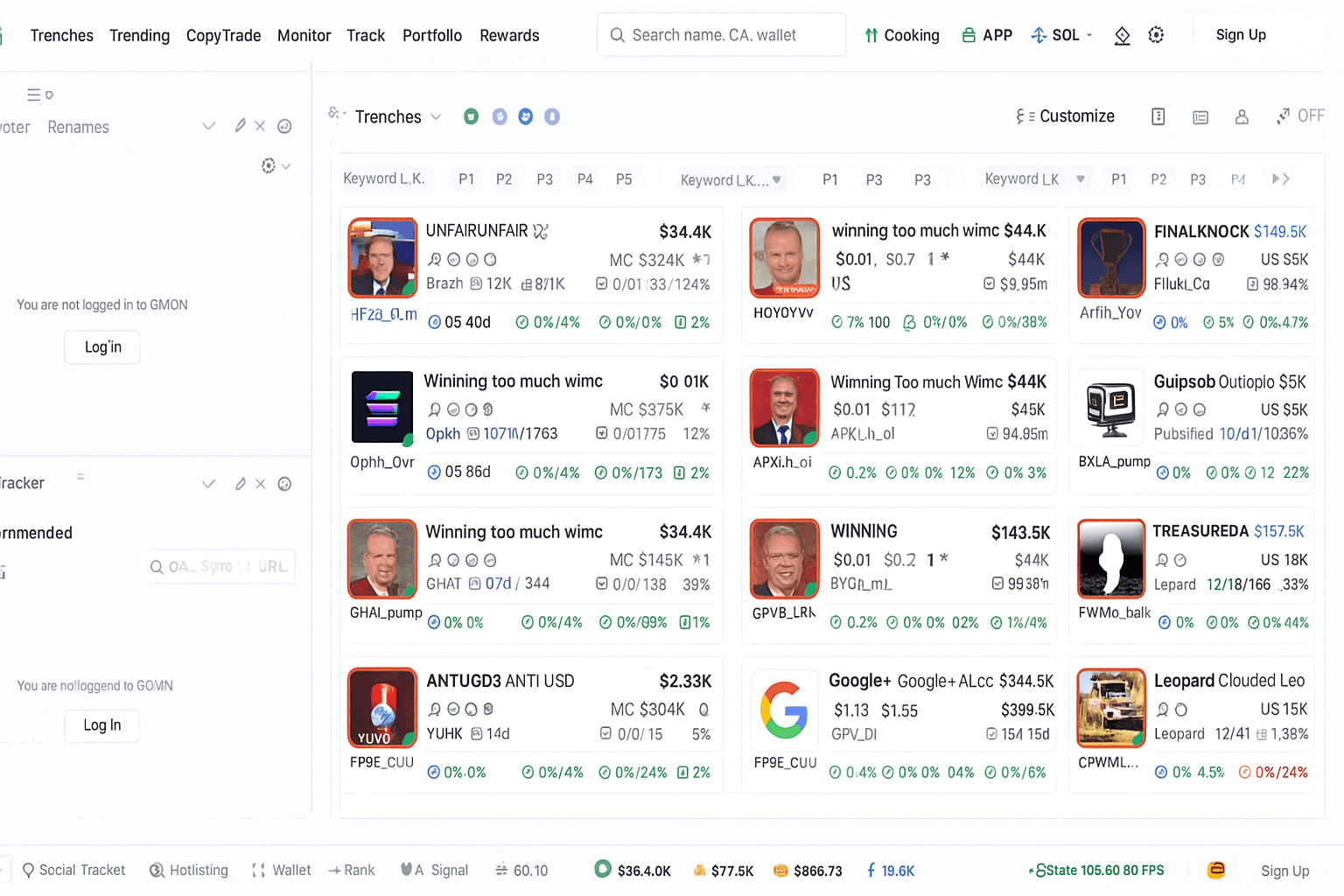
It supports more than 6 chains and pairs the web terminal with Telegram tooling, which makes alerting and fast reaction easier. The risk panel is helpful too. During review, the fast-glance checks around liquidity and contract danger were one of the more practical touches.
You can monitor early buyers and copy certain wallets automatically. That will appeal to users who treat wallet tracking as part of their trading strategy.
- Fees - 1%
- Best for - discovery and copy trading
Axiom
Axiom feels built for speed first, especially on Solana. If your style revolves around quick entry and sharp execution, this one makes sense.
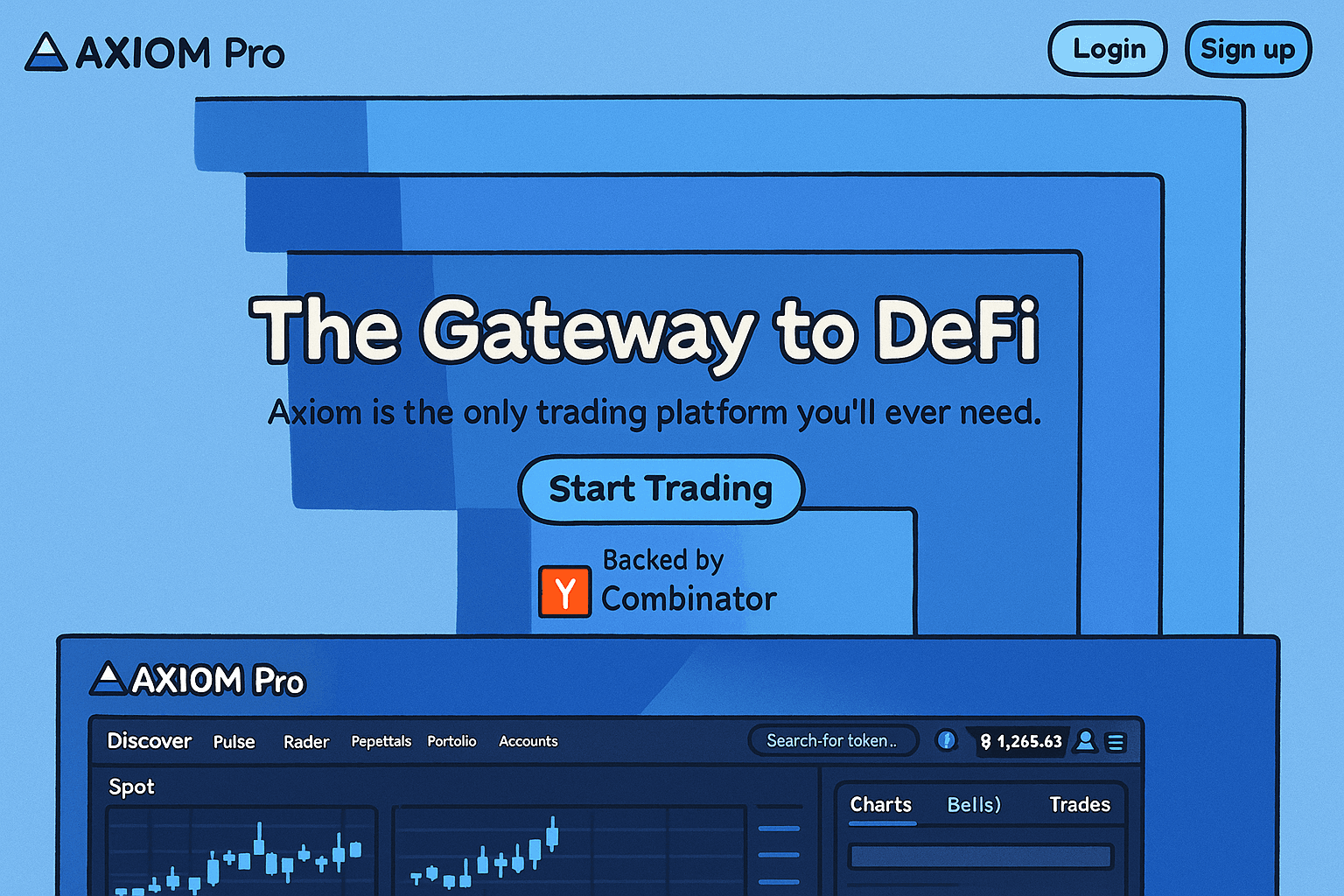
The platform combines spot trading with Hyperliquid perps and wraps in wallet tracking plus social signals. One-click orders and live TradingView charts make it feel more like a serious broker interface than a lightweight meme tool.
Axiom also includes gas controls, PnL tracking, and anti-rug warnings. The trade-off is narrower chain support. It is much more Solana-first than a broad multi-chain terminal.
- Account creation - wallet or email
- Best for - Solana sniping and fast discovery
Photon
Photon strips things back. It chases execution speed and manual control without piling on extra modules.
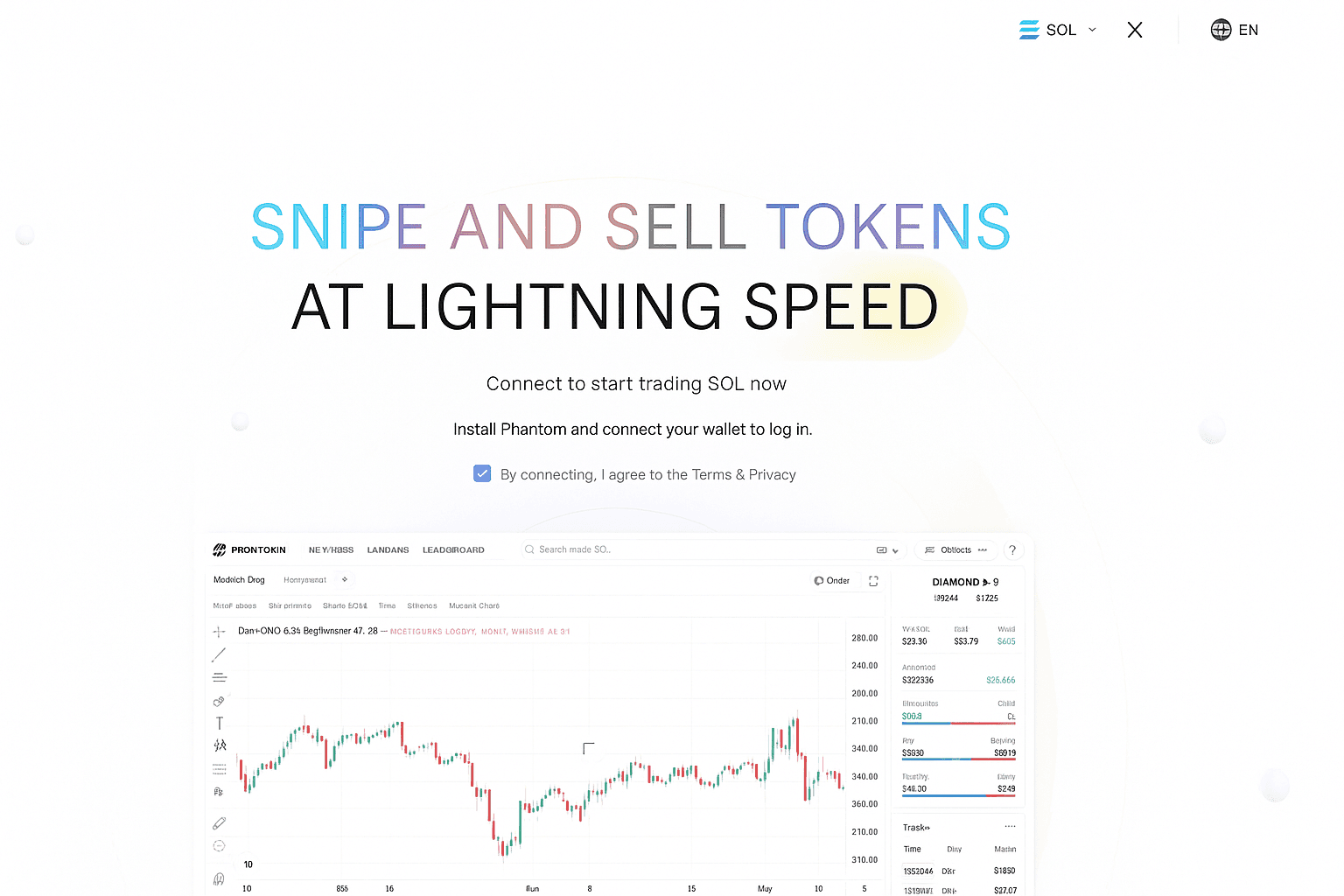
That lighter feel can actually help during volatile sessions. Updates are quick, the order flow is simple, and settings like slippage or priority fees are close at hand. You also get liquidity visibility and trend alerts.
Photon works well if your main goal is fast manual trade execution. It does less for broader portfolio work or algorithmic trading.
- Fees - 1%
- Best for - focused manual trading
Terminal
Terminal, previously called Padre, is the one to watch if a lot of your flow runs through . Its strongest advantage is ecosystem fit.
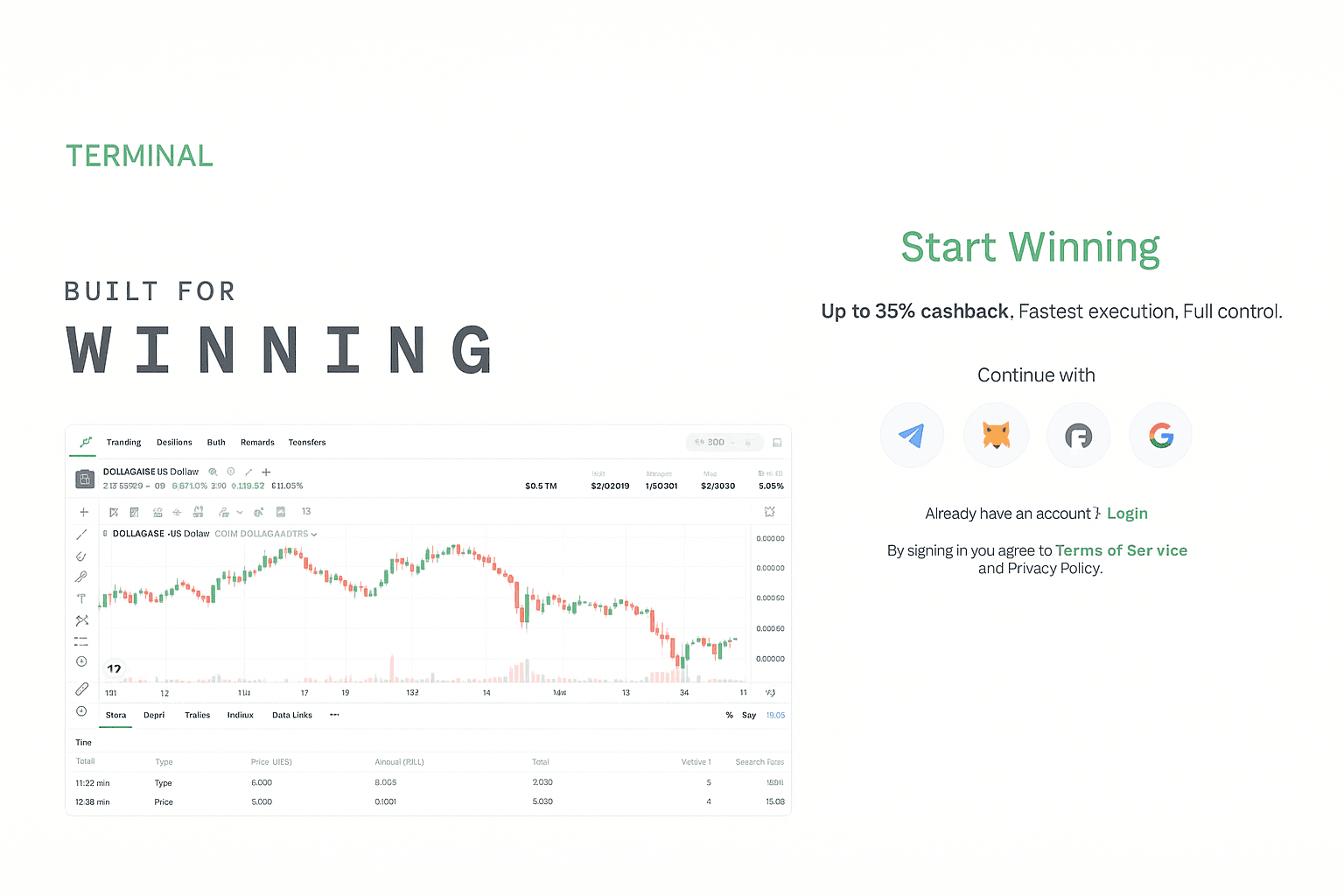
The platform supports Solana, ETH, Base, and BNB, with copy trading and wallet monitoring packed into the same screen. Since acquired it, the integration angle matters more than before.
You also get limit orders, including trailing stops, plus risk signals and fee cashback. In practice, it feels tuned for users who spend a lot of time around launch-driven order flow.
- Account creation - wallet, Telegram, or Google
- Best for - activity
3Commas
3Commas belongs in the conversation because it targets a different style of trader from most onchain terminals here. It is more focused on exchange-connected automation through API access than wallet-native DeFi execution.
That makes it more relevant if your activity sits on centralized venues and you want bot logic or account management across exchange accounts. It is less compelling if your priority is early token discovery or direct onchain flow.
So it is a valid trading terminal, though it does not fit this list's main focus as cleanly as Genius or .
When Binance Trading Terminal Makes Sense
Binance Trading Terminal is the better fit when your trading already lives inside Binance and you want to stay close to exchange liquidity. It suits users who care more about direct order entry and exchange depth than wallet-based DeFi research.
It also makes sense for traders who want familiar account funding, broad market access, and tools tied to the Binance environment. If your workflow depends on onchain wallet tracking, it is a weaker match than the best crypto trading terminals covered above.
How to Pick the Right Fit
The right terminal depends on how you actually trade. A speed-first Solana user and a multi-chain DeFi user usually need different things.
If you mainly chase launches on one chain, a lean terminal with fast order controls makes more sense. If your research is driven by wallet signals, choose the product that surfaces that data cleanly. If you move between chains and want one place for spot plus perps, Genius is the most complete starting point.
That last category will fit many active users. Having one dashboard for execution and portfolio tracking reduces the operational drag that builds up over a week of heavy trading.
Quick Setup in About Five Minutes
Getting started is easier than many first screens suggest. Most terminals follow a similar flow, even if the UI looks different.
- Connect a wallet or create an account
- Choose the funding wallet
Set basic order presets, then pick the chain and place a very small test trade. I strongly prefer doing this before any serious size because it reveals how the interface handles slippage and confirmations.
Once that test works, save the settings you like. Presets make a real difference during fast moves.
Checks to Run Before You Buy Anything
A better terminal improves speed. It does not remove risk. In fact, fast interfaces can make bad decisions happen faster too.

- Check the contract address and token details.
- Review liquidity depth and recent volume.
Then look for insider-heavy wallet concentration and weak project presence. Good terminals surface part of this data, though you still need judgment.
Privacy on Onchain Terminals
Onchain trading is public by default. Anyone can inspect wallet activity, trade timing, and in many cases position size.
Non-custodial design protects control of funds, though it does not hide your footprint. That exposure can attract copy trading or front-running, especially in low-cap launches where even a modest order stands out.
Some terminals now try to soften that problem at the workflow level. Genius offers Ghost Orders, which break a larger position into smaller activity across separate wallets.
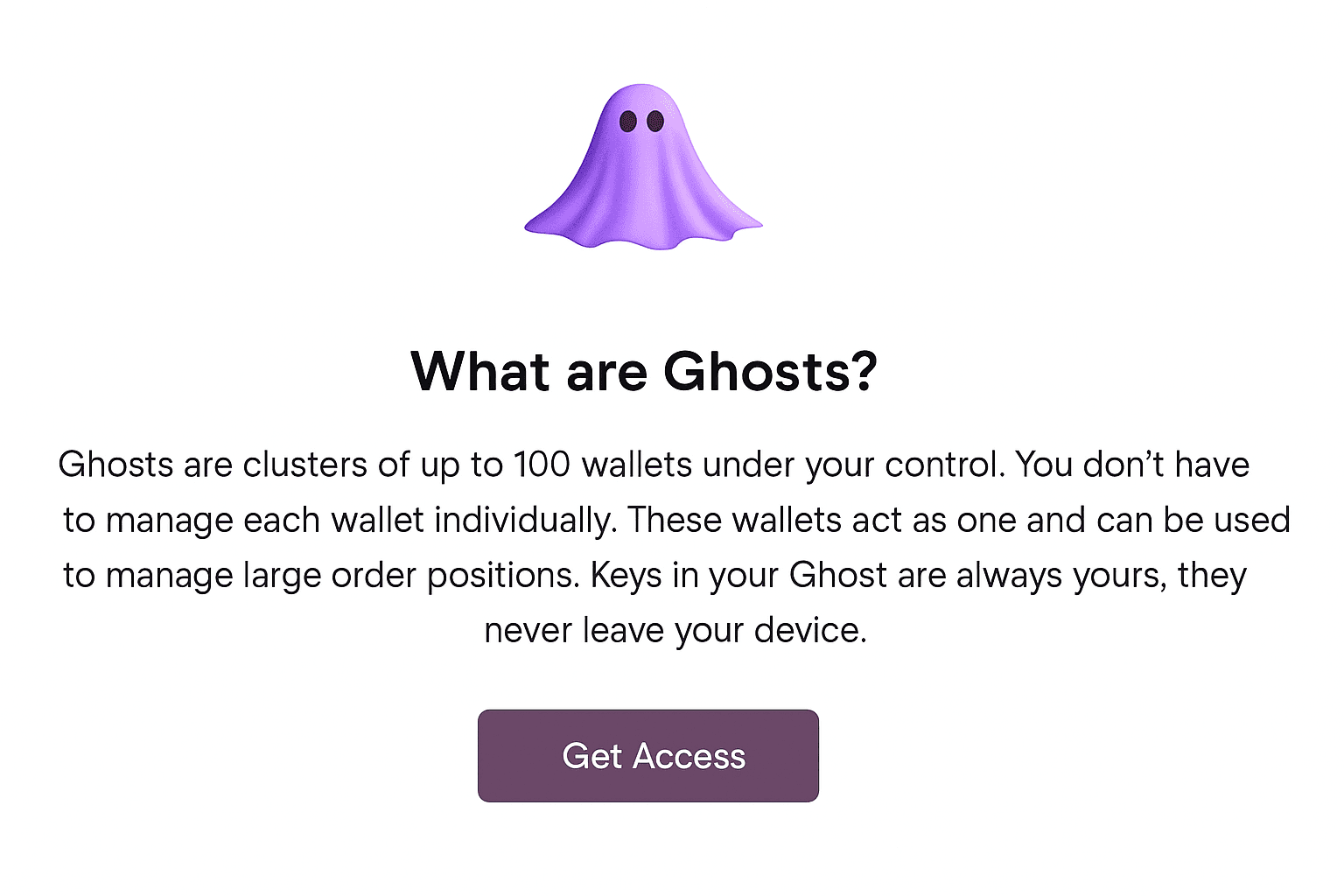
That does not create full anonymity. Very little on blockchain does. It can still make a large order less obvious, which is useful in practice.
The Bottom Line
Crypto terminals are becoming the default interface for active onchain trading. DEXs still provide the underlying liquidity, and aggregators still help with routing, but the terminal is where workflow and data come together.
If your current process involves bouncing between a chart site and a swap app, the upgrade is obvious. The strongest products blend research and execution in a way that saves time and reduces avoidable errors.
Among the current options, Genius looks like the most complete answer for users who want range and lower fees. is strong for smart-money tracking, while Axiom and Photon stay appealing for faster manual styles. Terminal makes the most sense around flow.
FAQ
Are Crypto Trading Terminals Safe?
They can be safe to use, though risk remains. You are still interacting with smart contracts and trading volatile assets, so contract issues and user mistakes are still possible.
Do These Platforms Hold My Funds?
Usually no. Most terminals are non-custodial, which means the wallet or smart wallet remains under your control.
What Chains Do They Support?
Support depends on the platform. Some focus tightly on Solana, while others cover ETH, Base, BNB, and more.
Do I Still Need a Wallet?
Yes. Even when the login flow feels similar to a standard app, a wallet still sits behind the account and holds the asset you trade.
Why Can a Transaction Fail?
Common reasons include weak liquidity, slippage set too low, network congestion, or token-level restrictions inside the contract.
What Is MEV and Can a Terminal Stop It?
MEV refers to bots trying to profit around your transaction. Some terminals reduce exposure with execution tools, but none can fully eliminate it.
Are Terminals Only Useful for Memecoins?
No. They are popular for early token trading, though many users also rely on them for DeFi activity, perps, and portfolio monitoring.