Trying to fund a Cryptocurrency exchange in 2026 still turns into a fraud review faster than most people expect, which is why the best fintech banks for crypto trading are the ones that actually let money move with less hassle. This roundup focuses on real outcomes inside the United States, especially whether a Bank lets a transfer go through, whether a card Payment gets blocked, and whether a flagged transfer can be cleared in the mobile app without a long support loop.
U.S. banking has already gone through the first Operation Choke Point cycle and then the louder debanking fight tied to Operation Choke Point 2.0 between 2023 and 2025. Some policy pressure eased later, yet retail users still hit the same Risk controls the moment they try to send Fiat money to Coinbase or another regulated Cryptocurrency exchange.
That is why I look at behavior instead of marketing. Approved or declined. Cleared or reversed. Fixed in-app or sent into support limbo.
Most failed attempts come from a first exchange Payment or a pattern the fraud model sees as odd, so the ranking here leans heavily on whether a Bank makes the approval flow smooth enough to recover quickly.
Quick Takeaways
- Best overall for fewer holds- Chase and Bank of America.
- Best for business funding- Mercury.
- Fastest same-day route- Wire during banking hours, especially with Chase or Bank of America.
- Weak picks for card buying- Discover and Capital One.
Why a Crypto-Friendly Bank Matters
Many pages about the best crypto-friendly Bank in the United States skip the only part that matters in real use. What happens when you try to move Money and the fraud engine steps in?
Inside a normal banking app, the friction usually shows up in simple ways. You add a fresh external payee and the transfer gets pushed into security review. Or an instant debit purchase comes back merchant declined, then the card stays locked until you answer a text or a phone check.
- You openTransfersorPay and Transferand add a new outside recipient.
- The Bank sends the request to a security review, and the Payment can sit pending for hours.
- A debit purchase may fail as merchant declined, then the card gets restricted until you verify activity.
- In the worst case, the transfer flips to reversed or cancelled and support gives you a generic answer that does not match the screen.
A crypto-friendly bank does not need to market itself as pro-Blockchain or part of the Web3 ecosystem. It simply needs to let you fund a regulated exchange without treating every first Payment like money laundering, and it should offer a clean path for KYC and AML checks when they appear.
If you want an early read before sending a transfer, BankToBTC is a research website that tracks policy notes and user reports. You can use it as a quick check before funding an exchange or testing a new Bank account.
Top Crypto-Friendly Banks in the USA
| Bank/Fintech | Pros | Cons | Best Use Case |
|---|---|---|---|
| Chase | Consistent exchange funding flow. Strong fraud alerts in the app. | Card controls can still feel strict. Large transfers may trigger review. | Bank transfers with one clean retry after approval. |
| Bank of America | Predictable app experience after history is built. Good alert controls. | First deposits can get challenged. Card funding still feels shaky. | Small initial transfer, then repeat the same setup. |
| Wells Fargo | Useful notifications and card controls. Works once the pattern looks normal. | Credit card crypto buying is restrictive. Same-day retries can trigger a lock. | ACH and wire funding instead of card buys. |
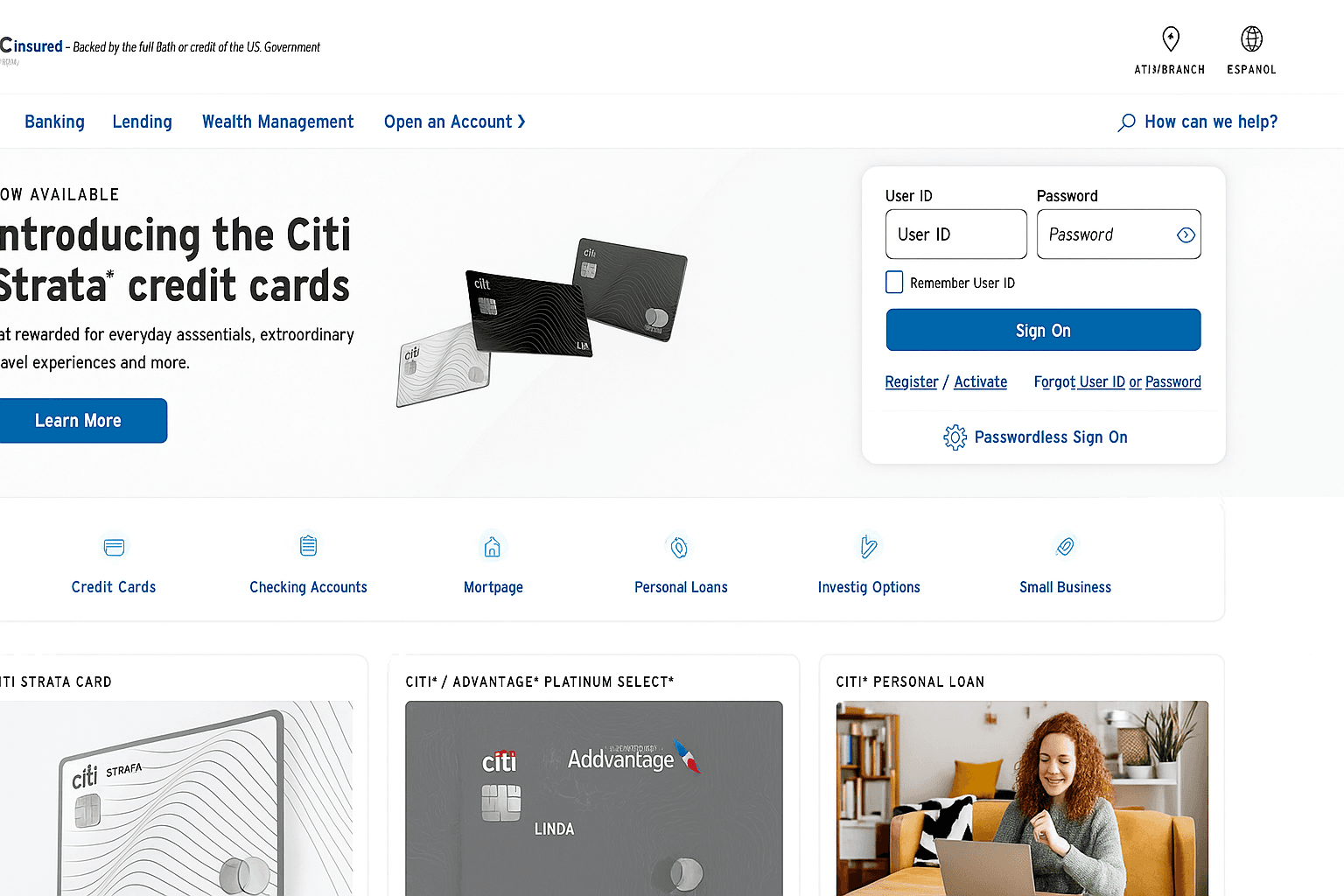
| Citibank | Reliable everyday banking. Useful as a separate funding account. | Retail card activity still gets friction. Some accounts carry monthly fees. | Small transfer first, then scale after settlement. |
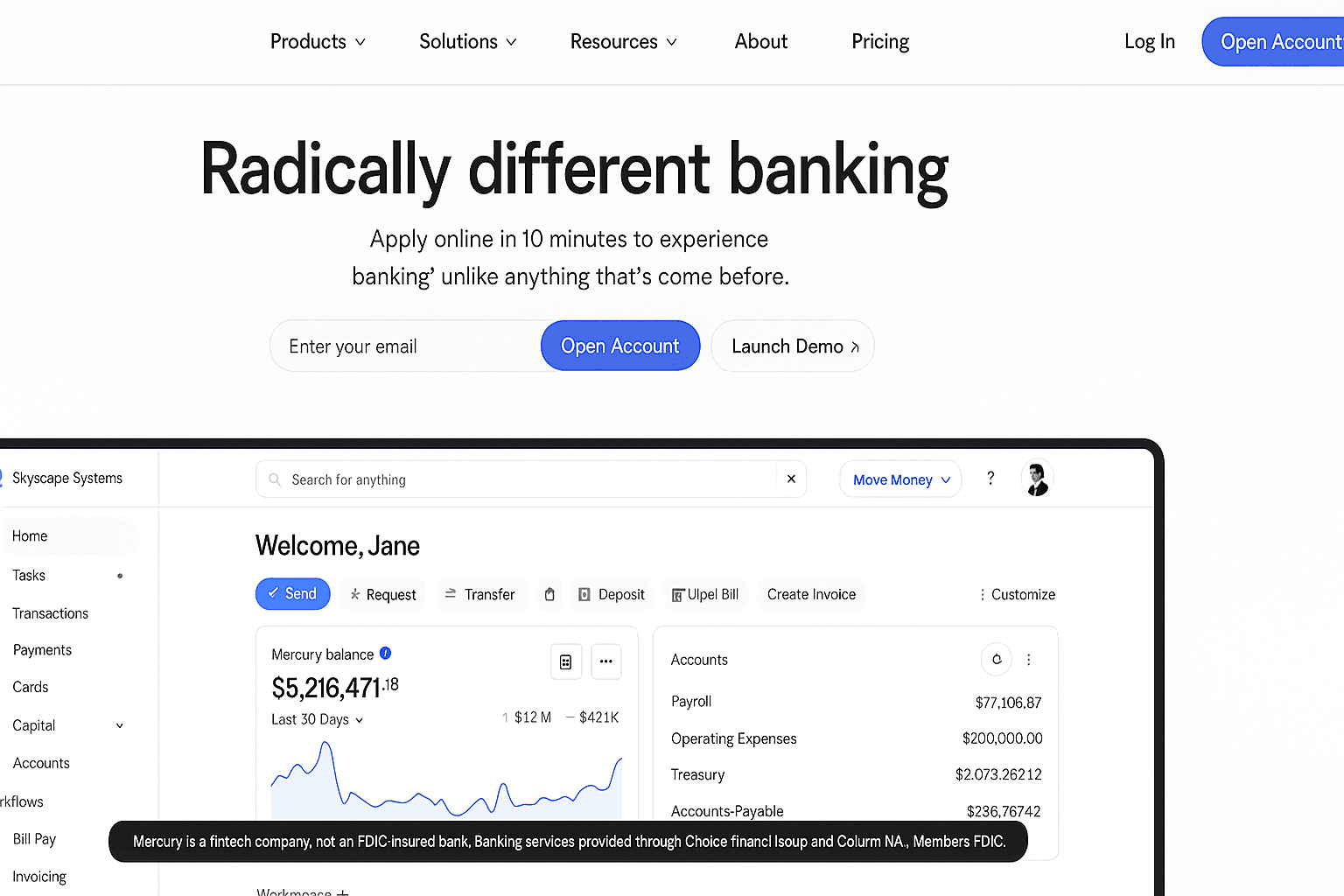
| Mercury | Clear ACH and wire limits. Good fit for business funding. | It relies on partner banks. It does not hold BTC or ETH. | Dedicated business lane for wires and ACH. |
| Capital One | Can work as a backup transfer lane. Easy outbound activity tracking. | Long record of card blocks. Approval feels inconsistent. | Backup Bank for standard transfers. |
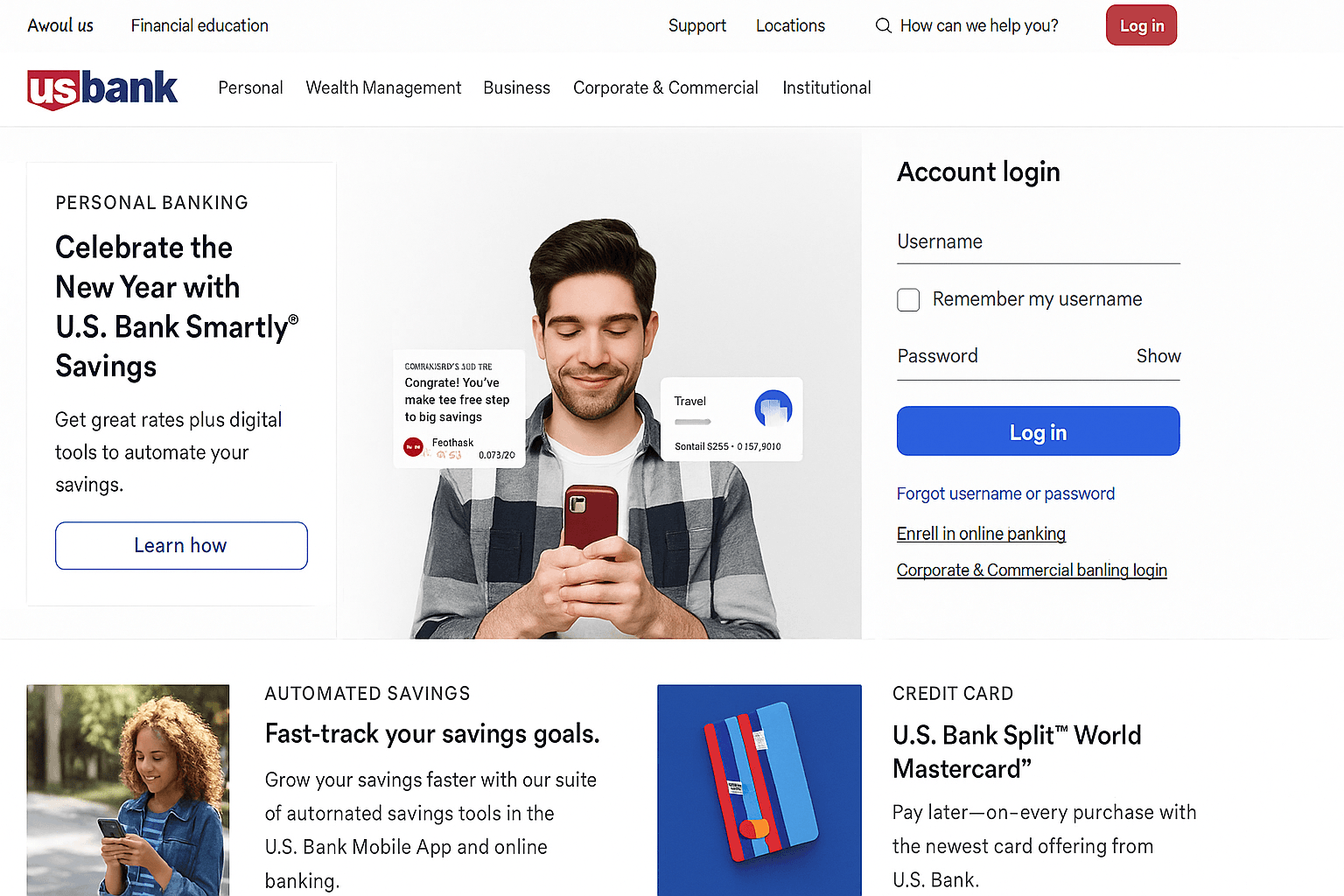
| U.S. Bank | Better Risk messaging than some legacy banks. Works well with a stable pattern. | Reviews can feel strict. Fresh recipients may take time. | One recipient and one transfer pattern. |
Chase
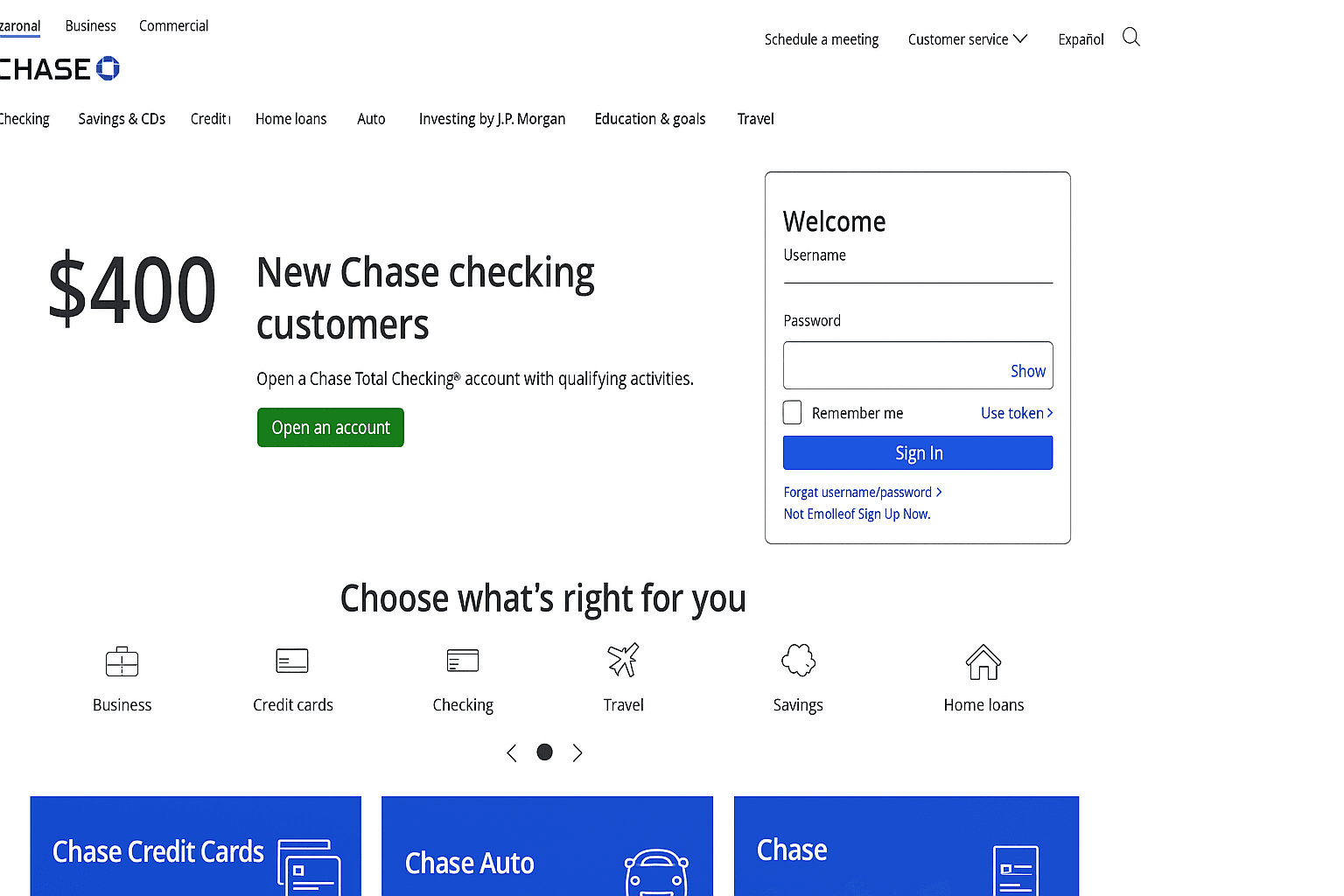
Chase stays fairly conservative around card-based crypto activity, yet it remains one of the stronger options for exchange funding because the flow is usually consistent. It is also moving closer to direct exchange Infrastructure, especially with Coinbase.
- Pros- Chase is probably the most crypto-aware large Bank right now because of its Coinbase tie-up, including Chase credit card access for crypto purchases from fall 2025 and direct account linking from 2026.
- Pros- The fraud toolkit is solid. Push alerts and device approval work well, and a branch visit is still available if Security finance controls trap the account.
- Cons- Chase joined the 2018 issuer wave that blocked credit card crypto buying, so controls can still feel strict when activity falls outside a familiar pattern.
- Cons- First-time or large transfers can trigger review, and repeated retries usually make the Risk signal worse.
Best way to use Chase- Use bank transfers as the default lane. Keep the recipient details exactly the same, and if a Payment gets flagged, do one clean retry after approval.
Bank of America
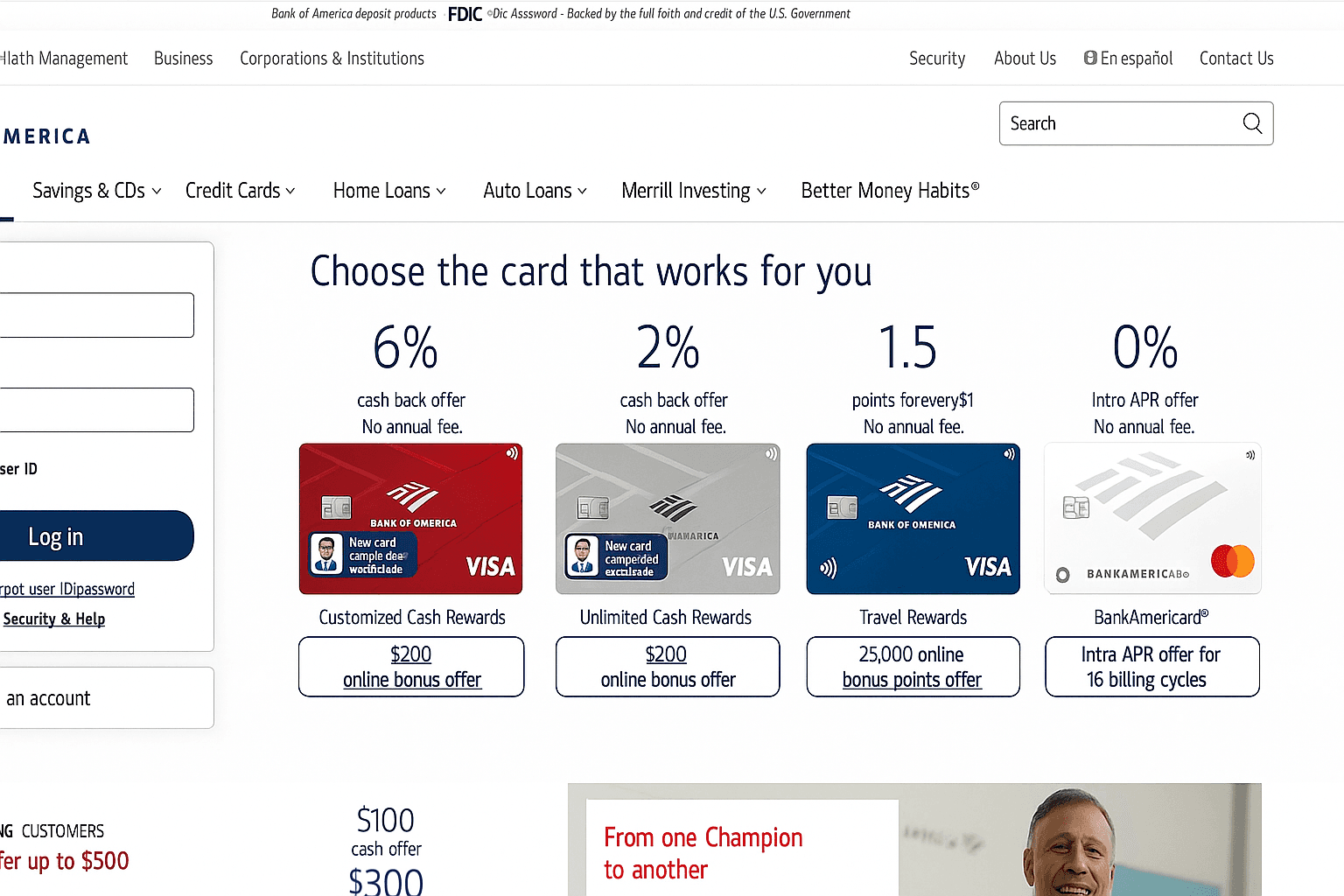
Bank of America works best when your transfer history looks stable and ordinary. It tends to challenge a first exchange deposit, a sudden jump in size, or a series of fast retries. Once a pattern is established, the app experience is usually predictable.
- Pros- The mobile app gives good control over alerts and card status, which matters when a crypto exchange charge is flagged and needs a quick fix.
- Pros- It fits people who want a traditional bank that can still support regular outbound exchange funding after some history is built.
- Cons- Bank of America also stopped crypto credit card purchases during the 2018 crackdown, so card funding still feels shaky depending on the exchange coding.
- Cons- Even where a charge passes, issuers often classify these transactions as cash-like activity, which can mean fees and a higher APR.
Best way to use Bank of America- Add the exchange recipient once and start small. Repeat the same setup after the first transfer settles. If verification keeps looping, a wire during business hours is usually cleaner.
Wells Fargo
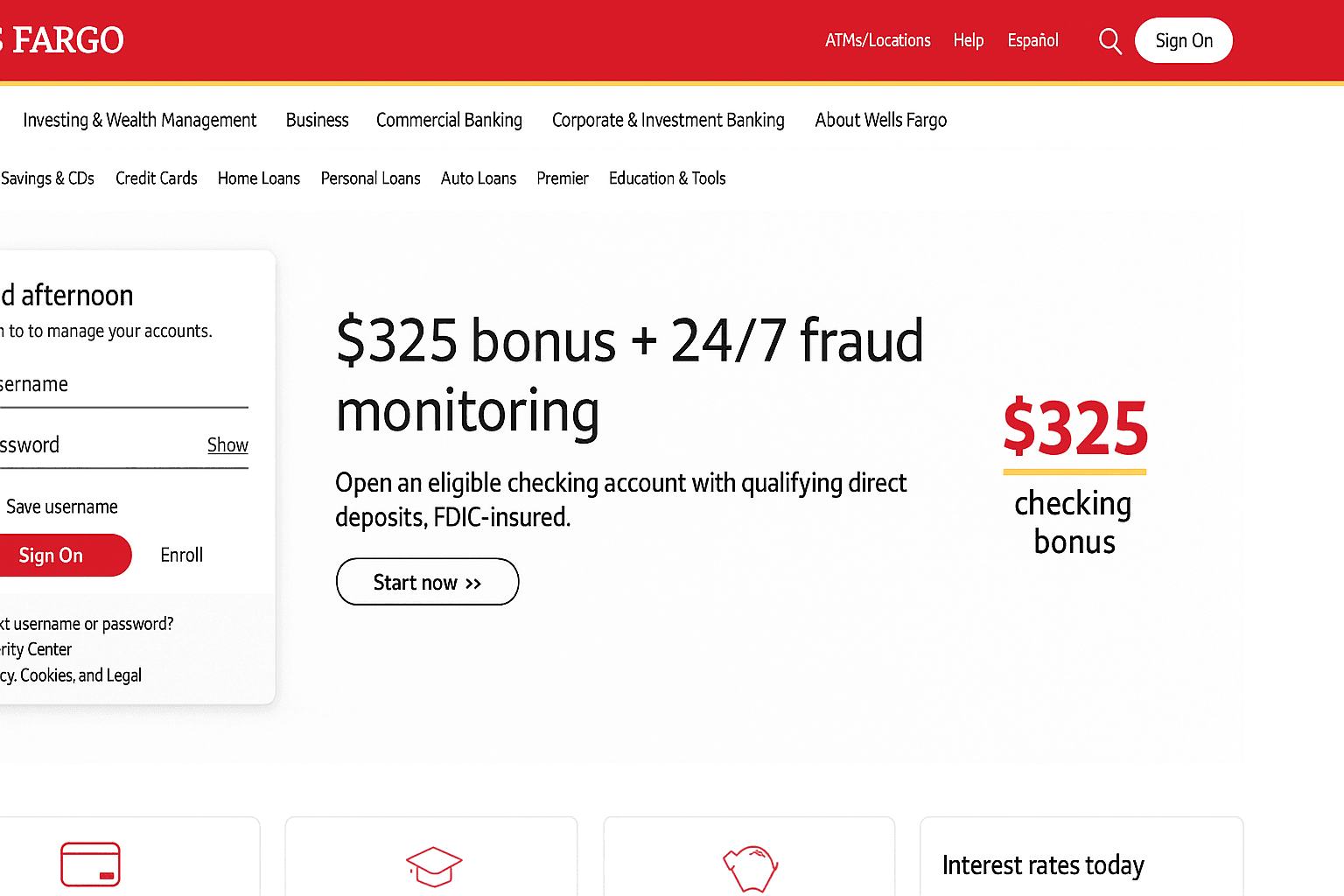
Wells Fargo can work for exchange funding if the setup is done carefully, though it is a poor fit for people who want card-first buying. Its credit card stance has been restrictive for years, so instant buys often end in declines or extra verification.
- Pros- Notifications and card controls are useful, which helps when you need to approve a Payment quickly.
- Pros- Once the pattern looks normal, Wells Fargo can function well as a simple funding Bank account.
- Cons- Wells Fargo publicly banned crypto purchases on its credit cards in 2018, and that legacy still shows up in everyday use.
- Cons- Multiple same-day attempts after a decline often trigger a temporary lock.
Best way to use Wells Fargo- Treat it as an ACH and wire account. Skip credit cards for exchange purchases.
Citibank
Citi looks split from a crypto user perspective. On the institutional side, it keeps building Digital asset Infrastructure and crypto custody services. On the retail side, exchange-coded card activity still triggers friction and slower reviews.
- Pros- Fraud alerting is decent, and everyday banking is reliable enough to use Citi as a dedicated exchange funding account.
- Pros- It can work well if you want to separate crypto-related Money movement from your main spending Bank account.
- Cons- Citi was widely reported as one of the issuers blocking crypto credit card purchases during the 2018 pullback.
- Cons- Some accounts carry monthly fees unless you maintain deposits or balances, which is annoying for occasional Investment transfers.
Best way to use Citibank- Start with a small transfer and let it fully settle before scaling up. If it hits review, wait instead of editing recipient details.
Mercury
Mercury is the most relevant name here if the search is really about Financial technology. It gives founders a business Bank account built around exchange funding, with visible ACH and wire limits plus a dashboard flow for temporary increases.
Mercury also says it does not place express restrictions on buying crypto through your account, and its outgoing wires include your business name. That small detail can help a Cryptocurrency exchange credit the wire correctly because sender matching matters more than many users realize.
- Pros- Good for larger business moves because limits are shown clearly and temporary increases can be requested inside the app.
- Pros- Mercury states there are no express restrictions on using the account to fund crypto purchases.
- Cons- Mercury is Financial technology, not a chartered Bank. Accounts rely on partner banks, so reviews and limits can still happen.
- Cons- You cannot store BTC, ETH, or a Stablecoin there. It only holds fiat balances, so custody still belongs with an exchange or wallet.
Best way to use Mercury- Use it as a dedicated business lane for wires and ACH. Start with a small test, then repeat the same recipient data. If you hit a cap, request a limit increase instead of breaking the Payment into retries.
Capital One
Capital One is rarely the best answer for card-funded crypto because its credit card restrictions have been around for a long time. It can still serve as a backup Bank for standard transfers, though instant buys remain inconsistent.
- Pros- It can help as a secondary funding lane if your main Bank keeps blocking transfers too aggressively.
- Pros- The mobile app makes outbound activity easy to watch, which helps catch a problem early.
- Cons- Capital One has a long public record of blocking crypto purchases on its cards.
- Cons- Approval can feel random because the result depends heavily on merchant coding and the processor behind the Payment.
Best way to use Capital One- Avoid relying on its credit cards for exchange buys. Keep transfer details simple and leave extra notes out unless required.

U.S. Bank
U.S. Bank is cautious with retail patterns, though it is not uniformly anti-crypto. Its support for Bitcoin custody on the institutional side suggests comfort with controlled Digital asset frameworks, while retail funding still gets flagged if activity looks new or fast.
- Pros- Customer messaging around Risk is better than at some legacy banks, which helps when a transfer needs manual approval.
- Pros- It works as a clean funding Bank if the pattern stays consistent and retries are limited.
- Cons- U.S. Bank does not present itself as crypto native and emphasizes the lack of reversibility in this Asset class, so edge-case reviews can feel strict.
- Cons- Fresh external recipients often need time before the Bank trusts the pattern.
Best way to use U.S. Bank- Stick to one recipient and one transfer pattern. If the app shows a fraud prompt, approve it and retry once.
Cash App
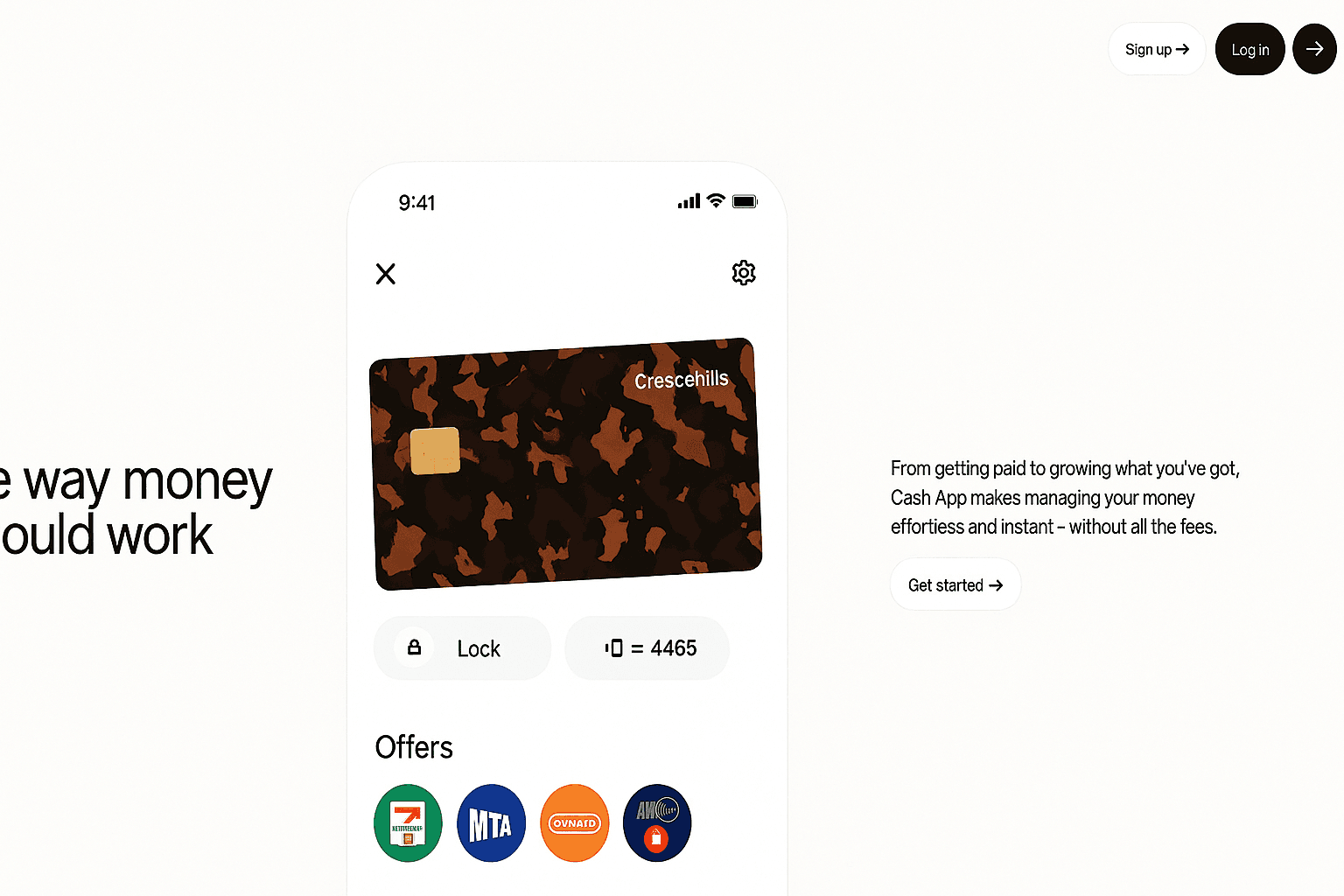
Cash App is less of a traditional bank and more of a practical workaround when ordinary banks keep blocking you. Bitcoin is native to the product, and BTC can be sent out on-chain or over Lightning, so there is less dependence on card approval roulette.
- Pros- It is one of the easiest consumer setups for buying Bitcoin and moving it into self-custody, with Lightning support built in.
- Pros- Withdrawal choices are spelled out clearly in the app, and I like that the interface makes speed options obvious instead of hiding them.
- Cons- Cash App supports BTC only, so it will not help if you need Ethereum, a Stablecoin, or broader exchange-style Trade access.
- Cons- Fintech compliance Risk is real. Block has dealt with regulatory action tied to AML and other compliance gaps, which can lead to tighter reviews over time.
Best way to use Cash App- Use it as a fallback when your Bank keeps rejecting card purchases or makes exchange funding too messy, especially for small or medium BTC buys.
Least Friendly Options for Card-Based Crypto Purchases
Some issuers are simply time sinks for retail users because they are more likely to reject exchange-coded charges or treat them like high-risk cash activity.
- Discover- Often a hard no for crypto merchants, and app-based overrides are usually limited.
- Capital One and Citi- Both still show up often in reports about card restrictions tied to crypto purchases.
If you are stuck with one of these- stop retrying the card charge. Use a checking transfer or send a wire during business hours.
How to Troubleshoot Failed Crypto Transfers
Most failed crypto deposits are really banking issues. The trigger is usually a first-time payee, a sudden jump in amount, or a card Payment coded as exchange activity.
- If a card buy fails, check the app for a fraud prompt. Approve it and retry once.
- If a bank transfer stays pending or gets reversed, start with a small test and wait for settlement before repeating.
- Keep memos blank unless the exchange requires one.
- If timing matters during risk review, use a wire in business hours.
- If support cannot approve the recipient, use a second Bank account for exchange funding.
Are U.S. Banks Still Debanking Crypto Users
Yes, although the pattern now feels less like a Bank immediately shutting down anyone touching Blockchain and more like internal risk teams disliking fresh exchange funding patterns. The political fight got louder after the House Financial Services Committee described the pullback as Operation Choke Point 2.0 and pointed to FDIC pause letters sent to banks active in crypto-related Finance.
At the same time, regulators have backed away from broad ideas like reputational risk and moved toward more defined process rules for permissible crypto activity. That includes the Federal Deposit Insurance Corporation stepping away from its older approval-style posture for some crypto-related work, while the Federal Reserve also withdrew parts of earlier guidance.
My practical read is simple. Even if policy tone improves, bank fraud models still read first-time exchange funding, sudden amount jumps, and repeated retries as scam-shaped behavior. Looking predictable matters more than sounding sophisticated.
The best bank for crypto is usually the one that behaves predictably when a transfer gets checked.
The best bank for crypto is usually the one that behaves predictably when a transfer gets checked.
Methodology
The ranking is based on real funding outcomes when users try to pay a crypto exchange.
- Rails checked- ACH transfers, wires, debit cards, and credit cards.
- Main signals- first-payee holds, merchant declines, reversals, and whether fraud prompts can be cleared in-app.
- Better performance means- more predictable approvals and a cleaner retry path without a support call.
- Inputs used- direct checks where possible, plus repeated reader reports and public reporting on issuer restrictions.
Results still shift with exchange coding and account history, so a small test transfer is the safest way to establish a pattern before sending more Money.
Conclusion
The best bank to use for crypto trading is usually the one that behaves predictably when you fund a regulated exchange, not the one making the loudest claims about Innovation. For most people in the United States in 2026, Chase and Bank of America are still the strongest mainstream choices for personal funding, while Mercury is one of the best fintech services for crypto payments on the business side.
If the question is which Bank account is best for crypto trading, the answer is usually a separate account with stable transfer patterns and minimal unusual activity. And if you need one of the best fintech services or platforms for crypto payments, Cash App remains a practical BTC route while Mercury is useful for business wires, API-focused workflows, and cleaner sender identity. Keep the first transfer small, stay consistent, and use a wire when speed matters.